



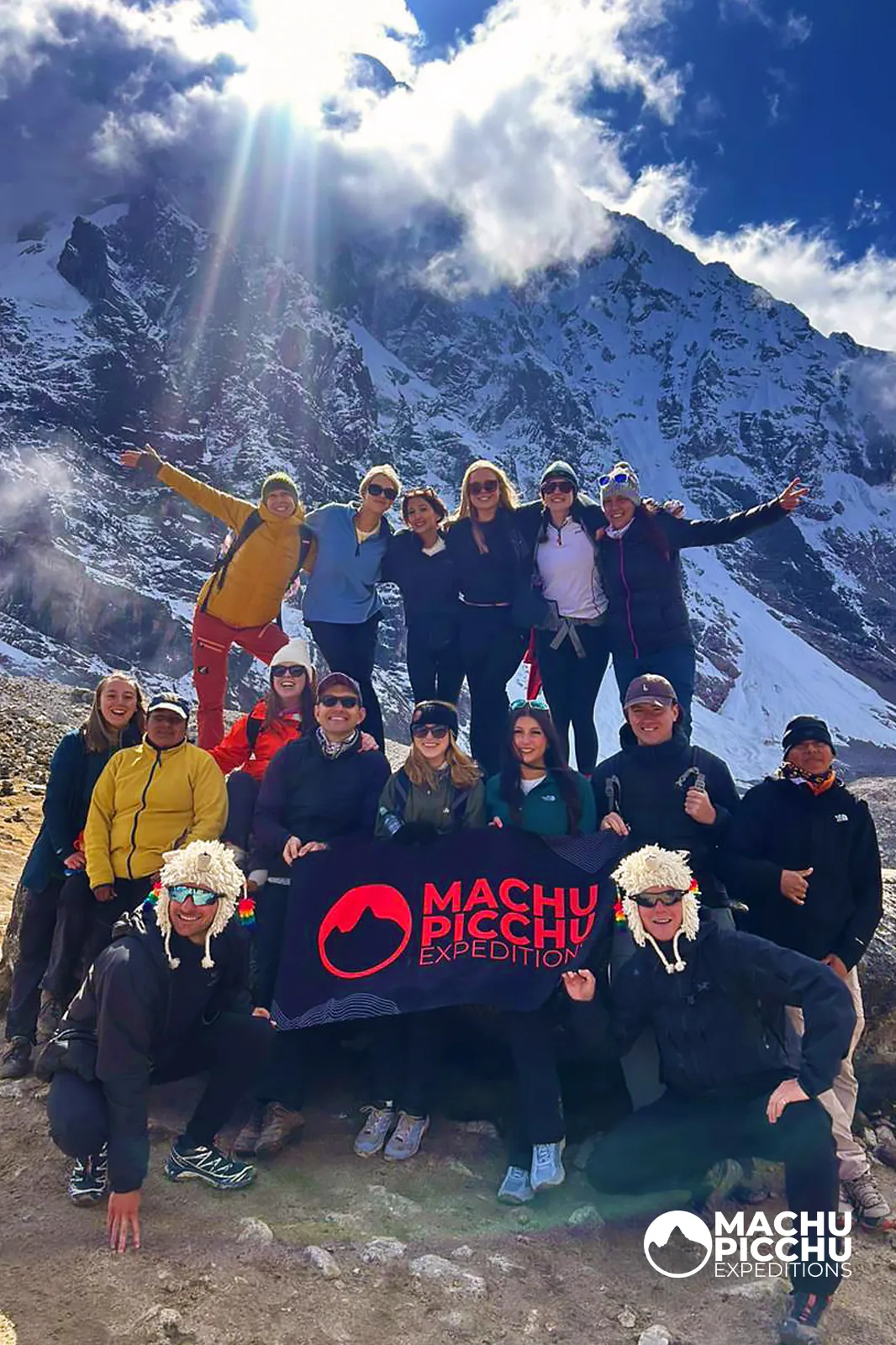
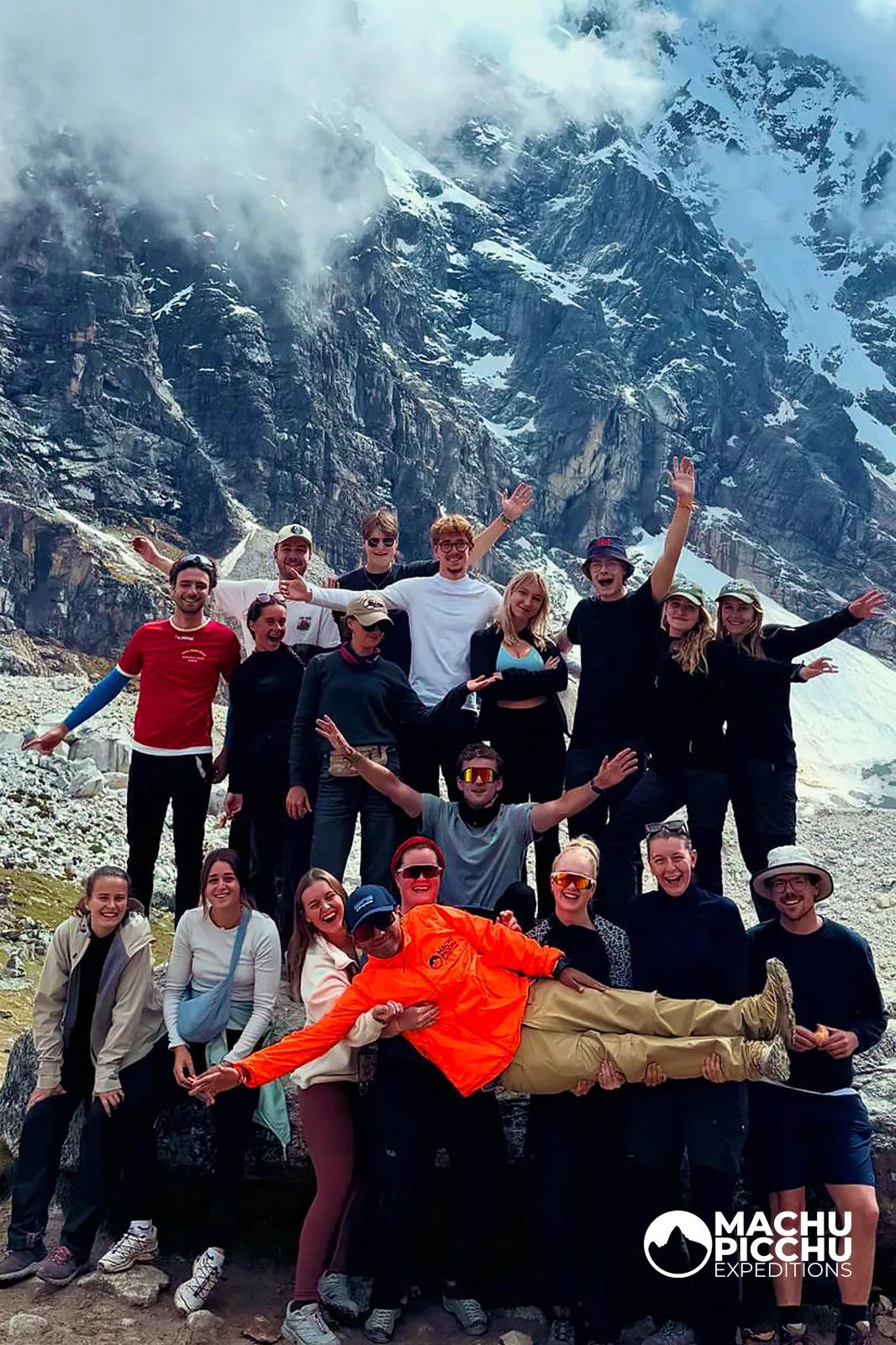
You’ll start the day bright and early, with pickup from your accommodation in Cusco at around 4:00 am. From there, we’ll travel comfortably for approximately two hours to Mollepata, where a delicious buffet breakfast will be waiting for you.
After breakfast, we’ll continue for about another hour to Challacancha 3,800 m (12,467 ft), the starting point of our adventure. Here, we’ll get ready, meet the trekking team, and begin our first hike through the beautiful Andean landscape.
Before setting off, you’ll meet our cooks and horsemen, who will be accompanying and supporting the group throughout the trek. We’ll also take a few moments for a final equipment check before hitting the trail.
From Balcompata, we’ll begin our hike toward the spectacular Humantay Lake (4,200 m / 13,780 ft). The trail starts relatively gently, with mostly flat terrain and a gradual uphill climb through a beautiful glacial valley. Along the way, you’ll follow sections of a restored Inca water channel, which is still used by local farmers today.
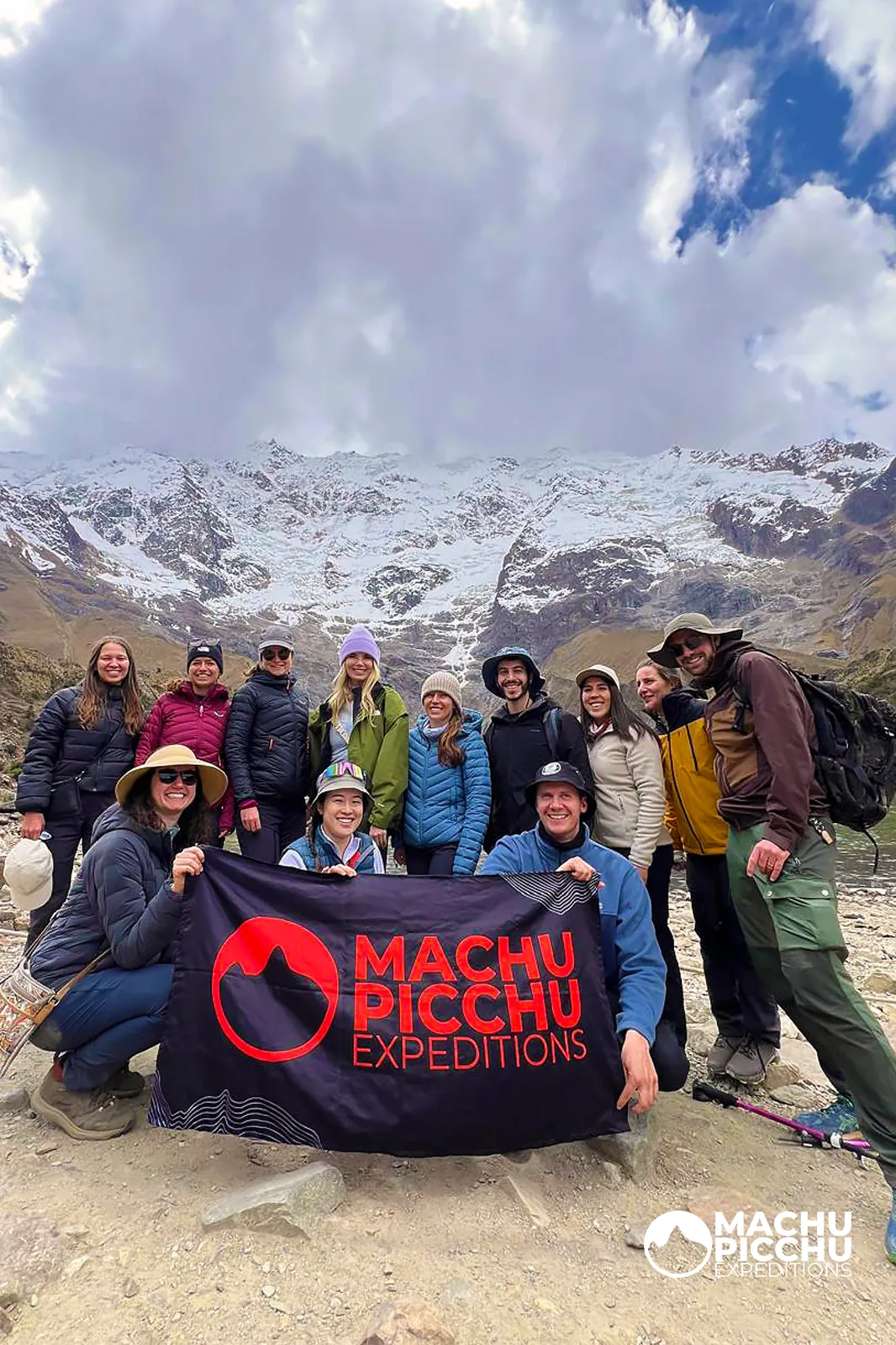
The hike to Humantay Lake is part of a scenic route through the high Andes, and although the distance is manageable, the altitude makes the ascent more demanding. We’ll take our time and hike at a comfortable pace, allowing you to adjust to the elevation and enjoy the surrounding landscape.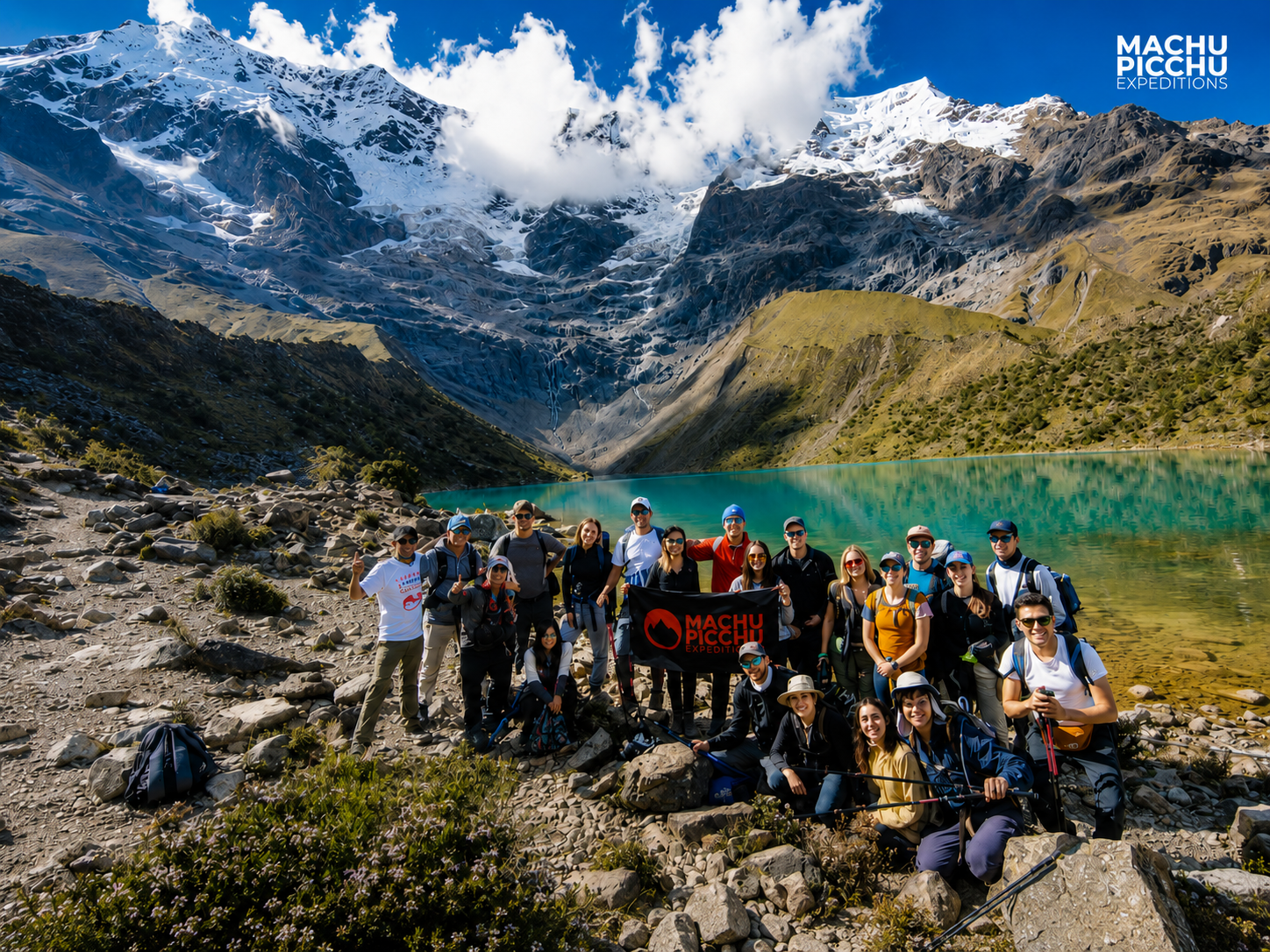 Once at the lake, you’ll have time to relax and take in one of the most impressive landscapes in the Andes: turquoise waters framed by the towering Humantay Glacier and surrounding mountains. It’s the kind of place that makes you stop, look around, and simply take it all in.
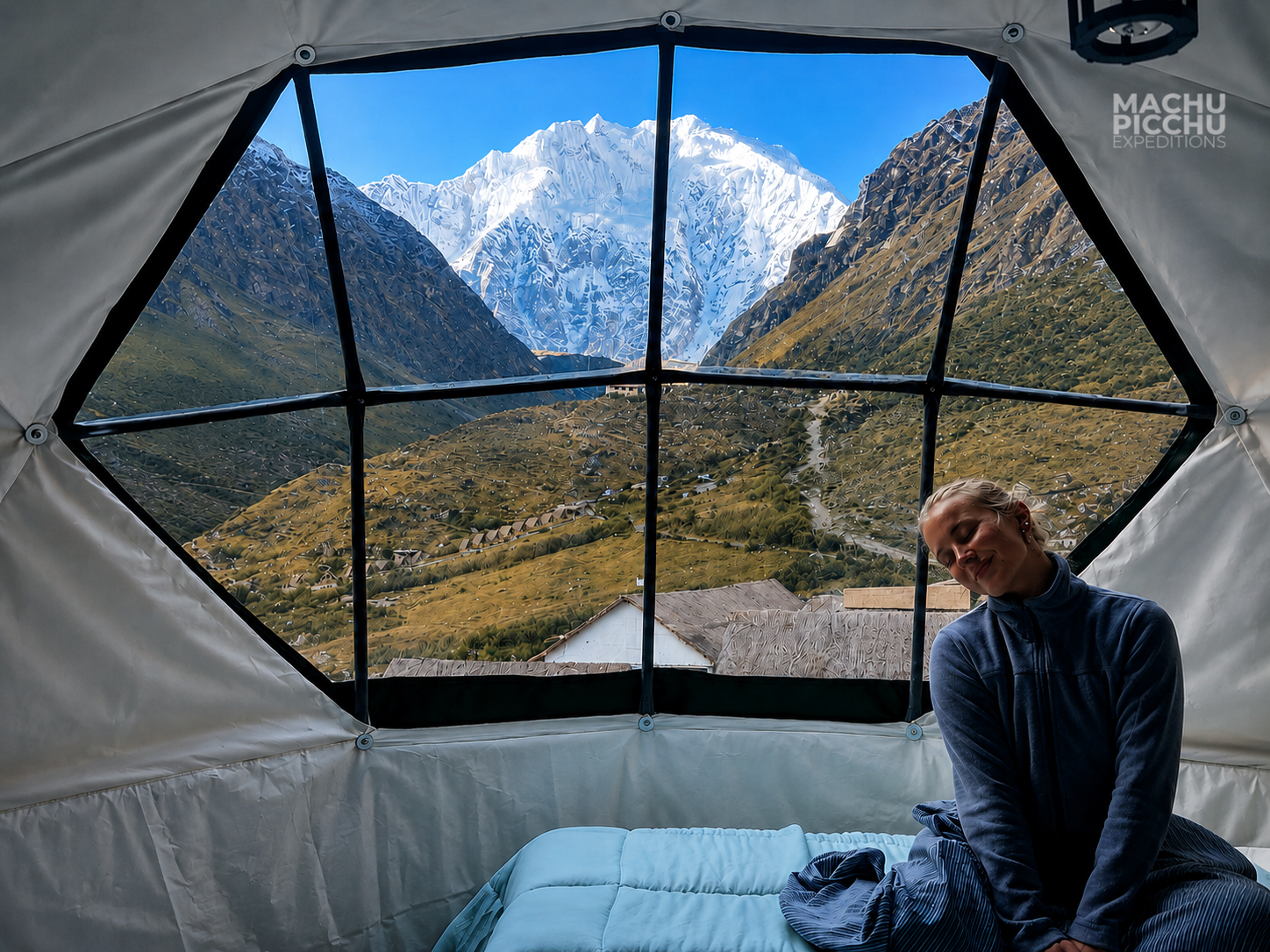
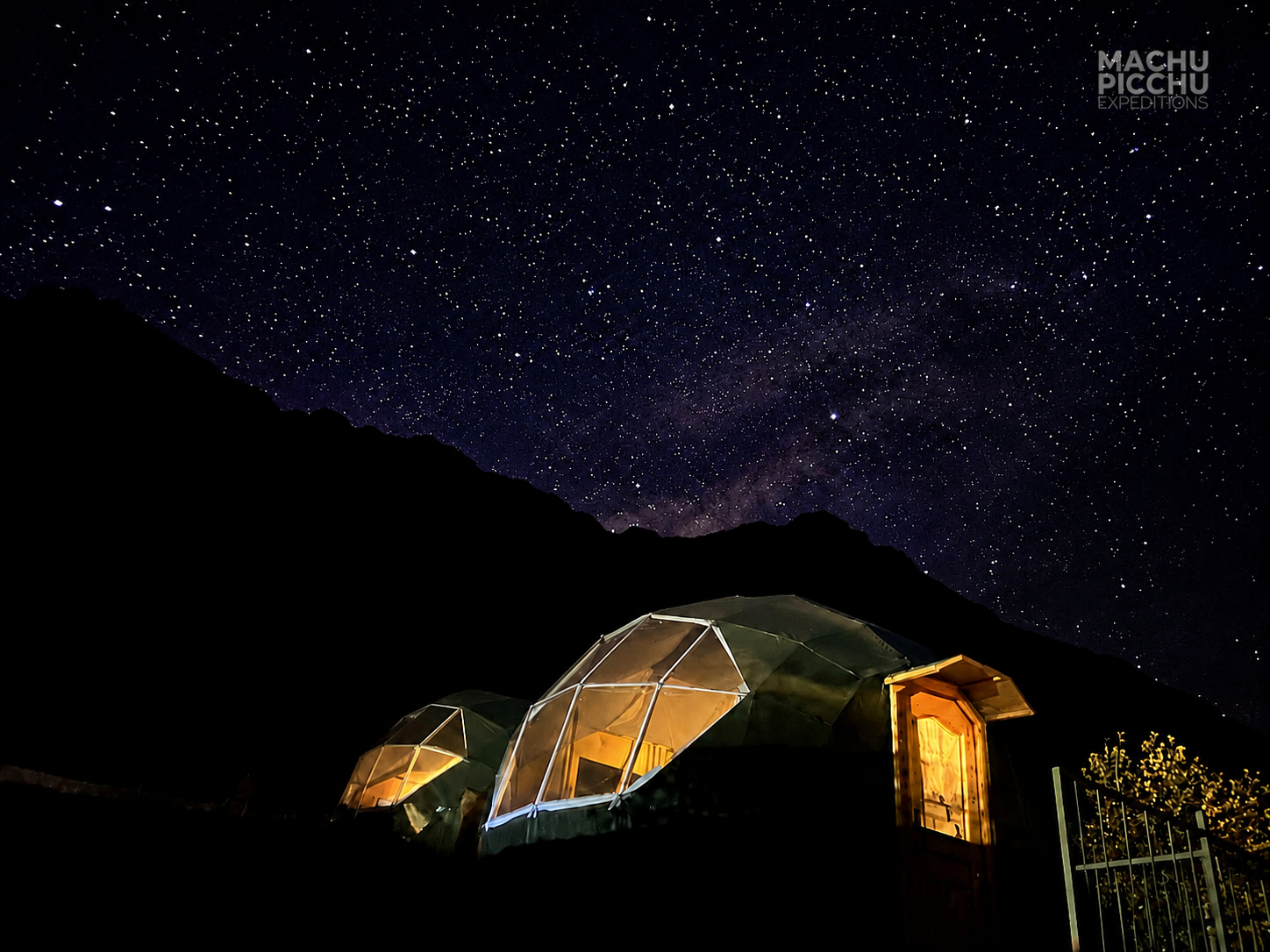
After enjoying Humantay Lake, we’ll continue down toward Soraypampa (3,900 m / 12,796 ft), where we’ll spend our first night. Once at camp, you’ll settle into our Panoramic Sky Domes and have some time to relax after the morning’s hike.
Surrounded by impressive mountain scenery, the domes provide a comfortable place to slow down, recharge, and enjoy the peaceful atmosphere of Soraypampa.
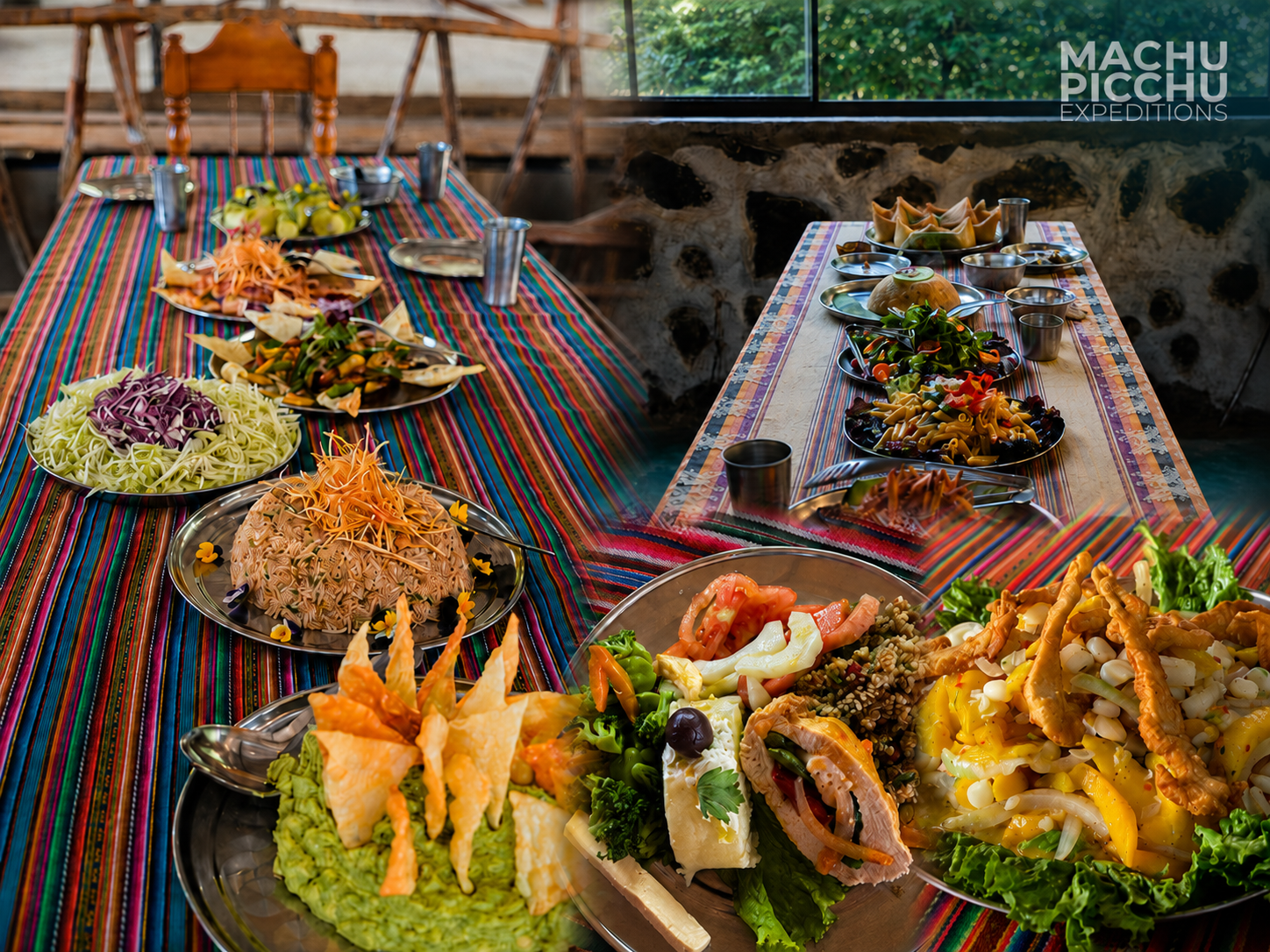
We’ll then enjoy a well-earned lunch in the mountains, followed later in the afternoon by tea time, giving you another chance to unwind, enjoy a warm drink, and take in the incredible surroundings.
Our meals are freshly prepared by the trekking team, giving you the energy you need while adding another enjoyable part to your experience in the mountains.
As the afternoon comes to an end, you’ll have time to simply relax at camp and enjoy the changing light over the surrounding Andes.
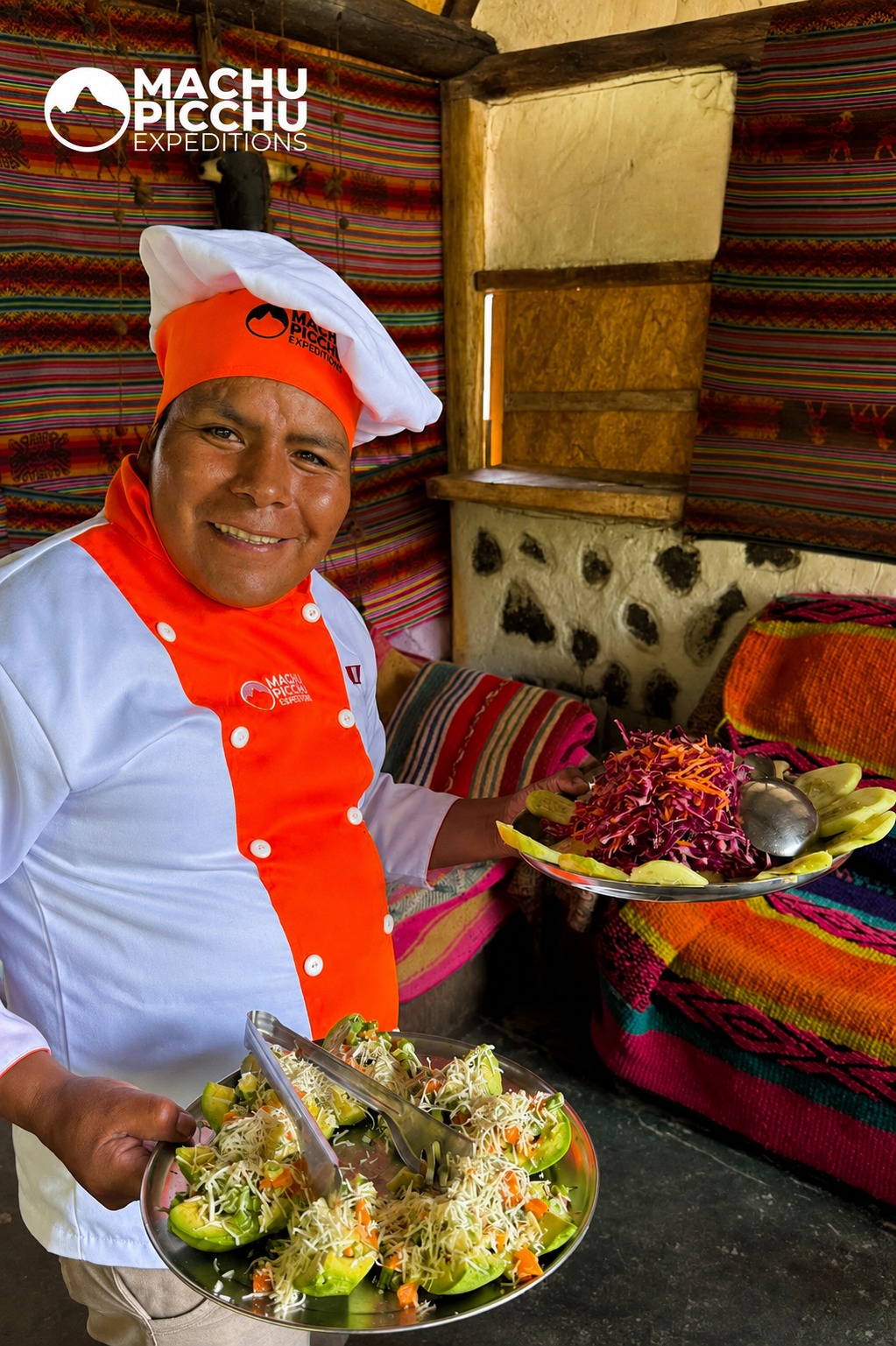 As evening falls, you’ll enjoy a delicious and well-deserved dinner while watching the light fade over the surrounding mountains. Soraypampa has a special sense of calm that is difficult to put into words — it’s something you simply have to experience for yourself.
After dinner, it’ll be time to settle into your Panoramic Sky Dome and get some well-earned rest before the next day’s adventure.
Meals: Breakfast, Lunch, Tea Time, Dinner
Accommodation: Panoramic Sky Domes
Difficulty Level: Moderate
Hiking distance: 10 km (6.21 miles)
Trekking Time: 5 to 6 hours
Campsite Elevation: 4,000 m (13,123 ft)
Starting Elevation: 3,800 m (12,467 ft)
Highest Elevation: 4,200 m (13,780 ft)
Weather Forecast: Expect cold and windy nights
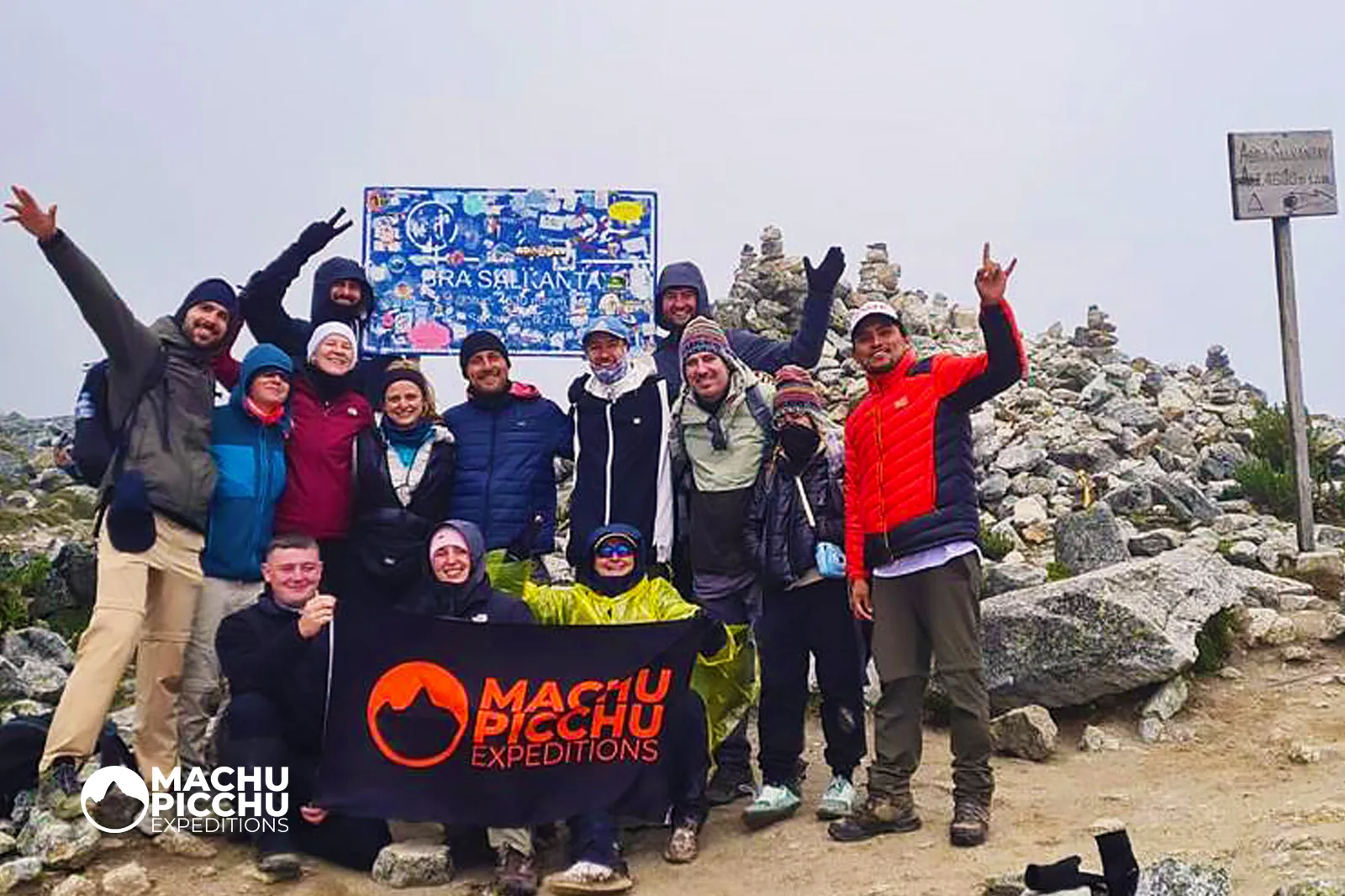
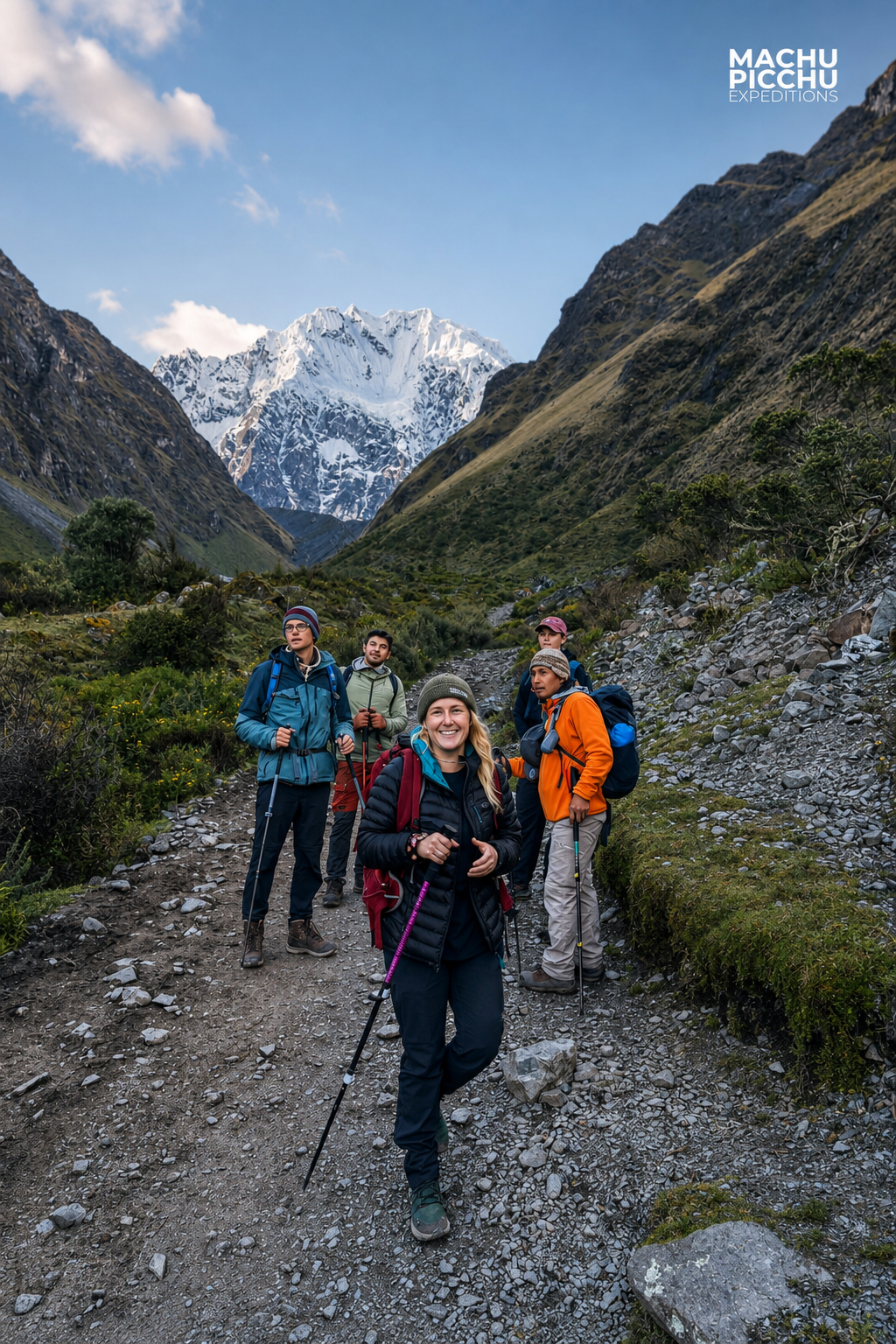 You’ll be woken up at the first signs of daylight with an energizing cup of coca tea to get you going. After enjoying a nourishing breakfast, we’ll begin our trek toward the highest point of the entire route: Salkantay Pass, at 4,630 meters (15,190 ft) above sea level.
The ascent covers approximately 7 km (4.3 miles) and takes around three hours. It is one of the most challenging sections of the trek, as we gradually make our way higher into the dramatic Andean landscape.
One of the most memorable sections is the famous “Trail of the 7 Snakes,” named after the series of winding switchbacks that climb steadily toward the pass.
As you continue climbing, the surroundings become increasingly rugged and spectacular, with sweeping views of the high Andes accompanying you toward the top.
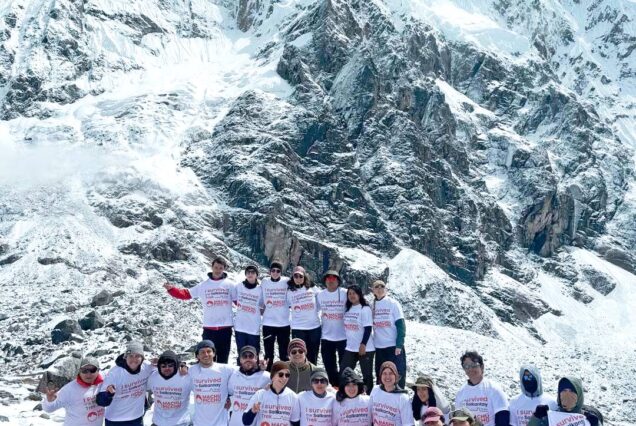
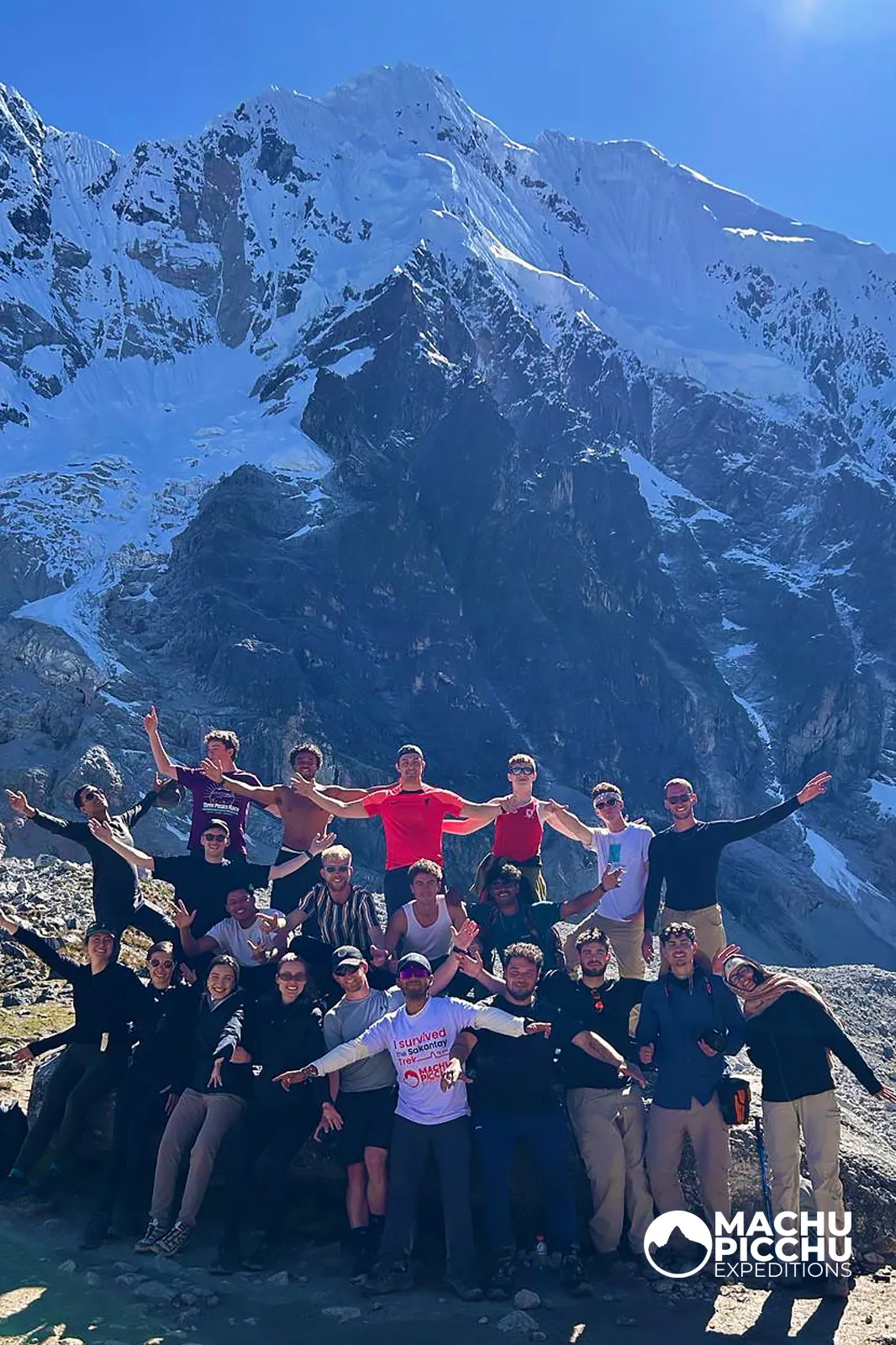
Once you reach the pass, the effort is rewarded with spectacular panoramic views of the surrounding valleys and the imposing Salkantay Mountain (6,271 m / 20,574 ft) rising beside you. Salkantay is one of the most important sacred mountains, or Apus, of the region.
From the pass, you can also admire Humantay, Tucarhuay, and Pumasillo, creating one of the most impressive mountain panoramas of the entire trek. We’ll spend some time here resting, taking photos, and enjoying this unforgettable high-altitude setting.
After taking in the views at Salkantay Pass, we’ll begin the approximately 3-hour descent back to Soraypampa, where our transportation will be waiting.
From there, we’ll continue to Mollepata for a well-deserved buffet lunch before beginning the return journey to Cusco.
The drive back takes approximately 2 hours, with arrival in Cusco expected at around 6:00 pm, bringing your 2-day Salkantay adventure to an end after experiencing both Humantay Lake and the legendary Salkantay Pass.
Meals: Breakfast and Lunch
Difficulty Level: Moderate
Hiking distance: 14 km (8.7 miles)
Trekking Time: 6 hours
Starting Elevation: 4,000 m (13,123 ft)
Highest Elevation: 4,630 m (15,191 ft)
Weather Forecast: Expect a bit cold